How to Choose the Right ACS Gas Assessment for Your Career Path
Choosing the right ACS gas assessment is one of the most important decisions you will make as a gas engineer.
Choosing the right ACS gas assessment is one of the most important decisions you will make as a gas engineer.
It affects the type of work you can legally carry out, the jobs you can take on, the customers you can serve, and the direction your career or business can move in.
For some engineers, the right route is to focus on domestic gas work and build a strong local customer base. For others, it may be to move into commercial gas, LPG, renewables, boiler fault finding, or additional heating qualifications.
The key is not to collect qualifications for the sake of it. That can get expensive very quickly.
The better approach is to choose the assessments that match your current experience, your future goals, and the work you genuinely want to do.
This guide will walk you through the main ACS assessment options, how they fit together, and how to choose a sensible pathway for your career.
What Is ACS Gas Certification?
ACS stands for Approved Certification Scheme.
It is the recognised assessment route that gas engineers need in order to prove they are competent to work safely on gas appliances and systems in the UK.
Without the correct ACS qualifications, you cannot apply to join the Gas Safe Register for that area of work. That means you cannot legally carry out gas work for customers.
Each ACS certificate covers a specific area of gas work. Some cover core safety knowledge. Others cover particular appliances, systems, gas types, or working environments.
That is why choosing the right combination matters.
Your ACS portfolio determines your scope of work. In simple terms, it decides what you are qualified to work on and what you are not.
Understanding the Main ACS Assessment Categories
ACS assessments are usually grouped into domestic, commercial, LPG, and specialist categories.
Domestic assessments cover the type of gas work most commonly carried out in homes. Commercial assessments cover larger systems and business premises. LPG assessments are relevant where liquid petroleum gas is used instead of mains natural gas. Specialist assessments may cover more specific appliance types or working environments.
The modular structure can be useful because it allows you to build your qualifications over time.
You do not need to do everything at once.
In fact, for most engineers, trying to take on too much too quickly is a mistake. A more practical route is to start with the qualifications you need most, gain real experience, and then add further modules when there is a clear reason to do so.
If you are unsure which route is best, our ACS course centre gives an overview of the gas courses and assessments available through Gas Training & Assessment in Basildon.
Core Domestic Gas Safety: CCN1
For domestic gas engineers, CCN1 is the core assessment.
It covers essential gas safety knowledge, combustion, ventilation, flueing, unsafe situations, pipework, tightness testing, and the procedures needed to work safely in domestic properties.
CCN1 is not an appliance qualification on its own. It is the foundation that sits underneath your domestic appliance assessments.
So, if you want to work on domestic boilers, cookers, fires, or other appliances, you will need the relevant appliance assessment alongside the core domestic qualification.
This is where many new entrants get confused.
CCN1 gives you the foundation. The appliance modules give you the specific scope.
Both matter.

Domestic Appliance Assessments
Once the core domestic element is in place, you can add the appliance-specific assessments that match the work you want to do.
Common domestic modules include qualifications for:
- Boilers and water heaters
- Cookers
- Gas fires
- Ducted air heaters
- Other domestic appliance types, depending on your route
For many engineers, boilers and heating are the obvious starting point because domestic heating work is consistent, practical, and in regular demand.
That said, the right combination depends on your plans.
If you are going to be employed, your employer may only need you to hold certain modules. If you are self-employed, you may need a broader set because customers often expect you to deal with a wider range of domestic appliances.
The sensible question is:
“What work do I want to be able to say yes to?”
That answer should guide your assessment choices.
Commercial and Specialist Gas Assessments
Commercial gas assessments are a natural next step for some engineers, but they are not something to add casually.
Commercial work can open the door to larger jobs, business clients, catering environments, plant rooms, and more complex systems. It can also bring greater responsibility, more demanding compliance requirements, and higher expectations from clients.
If you already have solid domestic experience, adding commercial qualifications can be a strong move. But it needs to be planned properly.
For example, an engineer with a strong heating background may find it more natural to move towards commercial heating before branching into something completely different.
The mistake is to jump into a specialist area just because it sounds profitable.
Profit only matters if there is genuine demand in your area and you are confident enough to do the work properly.
How to Match ACS Assessments to Your Career Goals
The best ACS route depends on where you are now and where you want to go.
A new entrant does not need the same plan as an experienced engineer renewing qualifications. A sole trader does not need the same portfolio as someone working for a company. An engineer in a rural LPG-heavy area may need a different route to someone working mainly in domestic heating across Essex and London.
Before booking assessments, ask yourself:
- Are you new to the industry?
- Are you renewing existing qualifications?
- Are you looking to become self-employed?
- Are you trying to move into commercial work?
- Are you trying to add renewables or heating qualifications?
- Are you choosing based on real demand or guesswork?
That last question is important.
Guesswork is where money gets wasted.
Good training decisions should be based on the work you want, the customers you serve, and the qualifications that will actually help you move forward.
Starting Your Gas Engineering Career
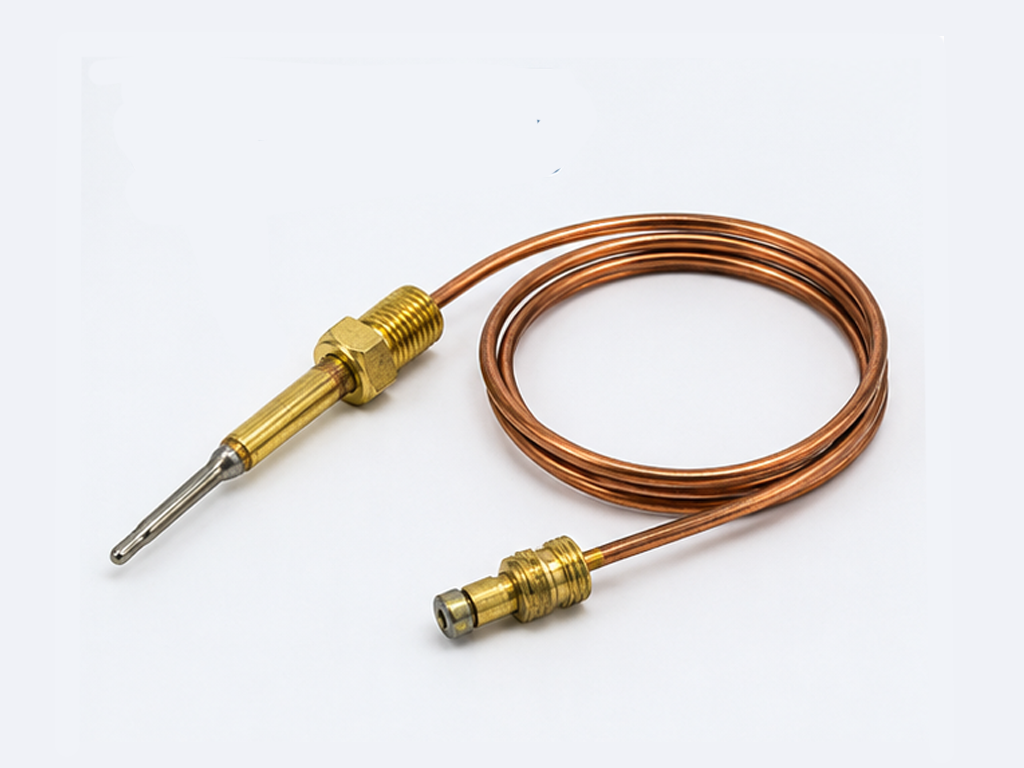
If you are brand new to the industry, your first priority is to build a proper foundation.
That means structured training, practical experience, portfolio work, and preparation for assessment.
Our IGQ new entrants course is designed for people looking to enter the gas industry through an industry-approved Managed Learning Programme.
For new entrants, the goal should not be to rush.
The goal is to become safe, competent, and confident.
There is a big difference between passing an assessment and being ready to work properly in customers’ homes. Good training should help you understand the theory, develop practical skills, and prepare for the realities of the job.
At Gas Training & Assessment, we keep the learning environment relaxed, friendly, and hands-on. Smaller groups also mean candidates can ask questions, get support, and build confidence as they go.
That matters, especially when you are starting from scratch.
Expanding Existing Qualifications
If you are already qualified, adding further modules can be a good way to increase the work you can take on.
But again, it needs to be strategic.
Look at the jobs you are currently turning away.
Are customers asking about appliances you are not qualified to work on? Are you being asked about LPG? Are you missing out on commercial enquiries? Are you relying too heavily on one type of work?
Those are useful clues.
A qualification should solve a real problem or open a realistic opportunity.

Going self-employed changes the game.
When you are employed, you may be part of a team where different people cover different areas. When you work for yourself, customers often expect you to handle more of the job.
That does not mean you need every qualification under the sun.
It does mean your ACS portfolio needs to match the service you want to offer.
Many self-employed domestic engineers build a qualification set around the most common domestic work first, then add further areas once the business is established.
If this is the route you are considering, our guide on becoming a self-employed gas engineer is worth reading alongside your assessment planning.
Self-employment can be a brilliant move, but it needs proper preparation. Qualifications are only one part of it. You also need confidence, customer service, pricing, admin, insurance, and a steady flow of work.
Which ACS Modules Are Most Useful?
The most useful ACS modules are the ones that match your market.
For many domestic engineers, heating and boiler work will be central. Boilers need servicing, repairing, replacing, and maintaining. That creates regular customer demand.
Cookers and fires may also be useful, depending on the type of customers you serve.
Commercial catering, LPG, and specialist modules can be excellent additions in the right area, but they should be chosen for a reason.
This is where some engineers get caught out.
They assume that a niche qualification automatically means higher income. Not always.
A specialist qualification is only valuable if there is enough work for it and you can reach the customers who need it.
Before spending money, do some simple research. Look at local demand. Check job adverts. Speak to other trades. Ask local builders, landlords, letting agents, or property managers what they struggle to find.
That sort of practical research is worth far more than guessing.
Boiler Servicing and Installation Qualifications
Domestic boiler work remains a core part of the gas industry.
For many engineers, it provides regular work through servicing, repairs, breakdowns, and installations.
If you are building a domestic gas career, boiler-related qualifications are usually central to your plan.
It is also worth thinking beyond the gas assessment itself.
Modern heating systems can involve controls, wiring, water treatment, unvented cylinders, system design, and fault finding. The more rounded your knowledge, the more useful you become to customers.
That does not mean doing everything at once.
It means building your skills in a sensible order.
Start with the qualifications you need to work legally and safely. Then look at what additional training would make you better, faster, and more confident on the job.
Renewable Energy Qualifications
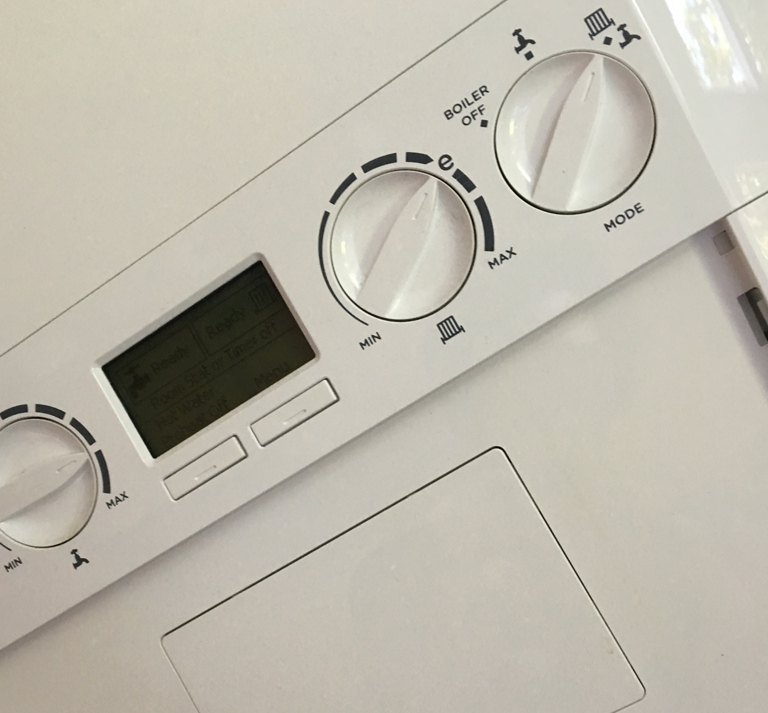
The heating industry is changing.
Gas skills are still valuable, but more engineers are looking at renewables as part of their long-term future.
Air source heat pumps, ground source heat pumps, low-carbon heating, and hybrid systems are becoming increasingly relevant. For engineers who already understand heating, renewables can be a sensible way to broaden their skillset.
Our air source heat pump courses are designed to help engineers develop practical knowledge in this area.
The strongest position for many heating engineers is not “gas or renewables.”
It is being able to understand both.
Customers want good advice. They want someone who can look at their property, understand the options, and explain what is suitable. Engineers who can talk confidently about traditional heating and renewable systems will be in a much better position as the industry continues to move.
Specialist Qualifications That Can Set You Apart
Specialist qualifications can help you stand out, but only when they fit your market.
Commercial catering, LPG, underground services, caravan and leisure accommodation, oil, F-Gas, heat pumps, and electrical courses may all be useful depending on your goals.
The danger is chasing shiny objects.
A specialist qualification should not just look good on paper. It should help you win better work, serve existing customers more fully, or move into an area where there is genuine opportunity.
For example, if you already work with landlords, letting agents, holiday sites, restaurants, or commercial premises, specialist qualifications may help you build stronger relationships and win repeat work.
If you have no access to that market, the qualification alone will not magically bring the work in.
Be ambitious, but be practical.
Practical Factors to Consider Before Booking ACS Assessments
Before choosing your assessments, think about cost, time, travel, course availability, and return on investment.
Training is an investment, but it still has to make commercial sense.
Ask yourself:
- How much will the training and assessment cost?
- How much time will I need away from work?
- How quickly can I use the qualification?
- Is there clear demand for this work?
- Will this help me win better jobs or simply add another certificate?
- Am I ready for this assessment, or do I need more preparation?
This is where proper guidance from experienced trainers helps.
A good training centre should not just take your booking and leave you to it. They should help you understand the route, the requirements, and whether the course fits your situation.
Budget and Training Costs
Cost matters.
No serious engineer wants to waste money on training they do not use.
At the same time, the cheapest option is not always the best option. What matters is value: the quality of training, the support you receive, the experience of the trainers, and whether you leave with genuine confidence.
Gas Training & Assessment has long focused on keeping training accessible, and you can read more about our approach to affordable training pricing.
When budgeting, remember to include more than the course fee.
Think about:
- Assessment fees
- Training costs
- Travel
- Time away from paid work
- Any extra preparation needed
- The likely return once qualified
A qualification that helps you win regular work can pay for itself quickly. A qualification with no clear demand may sit unused.
That is the difference.
Time Commitment and Course Availability
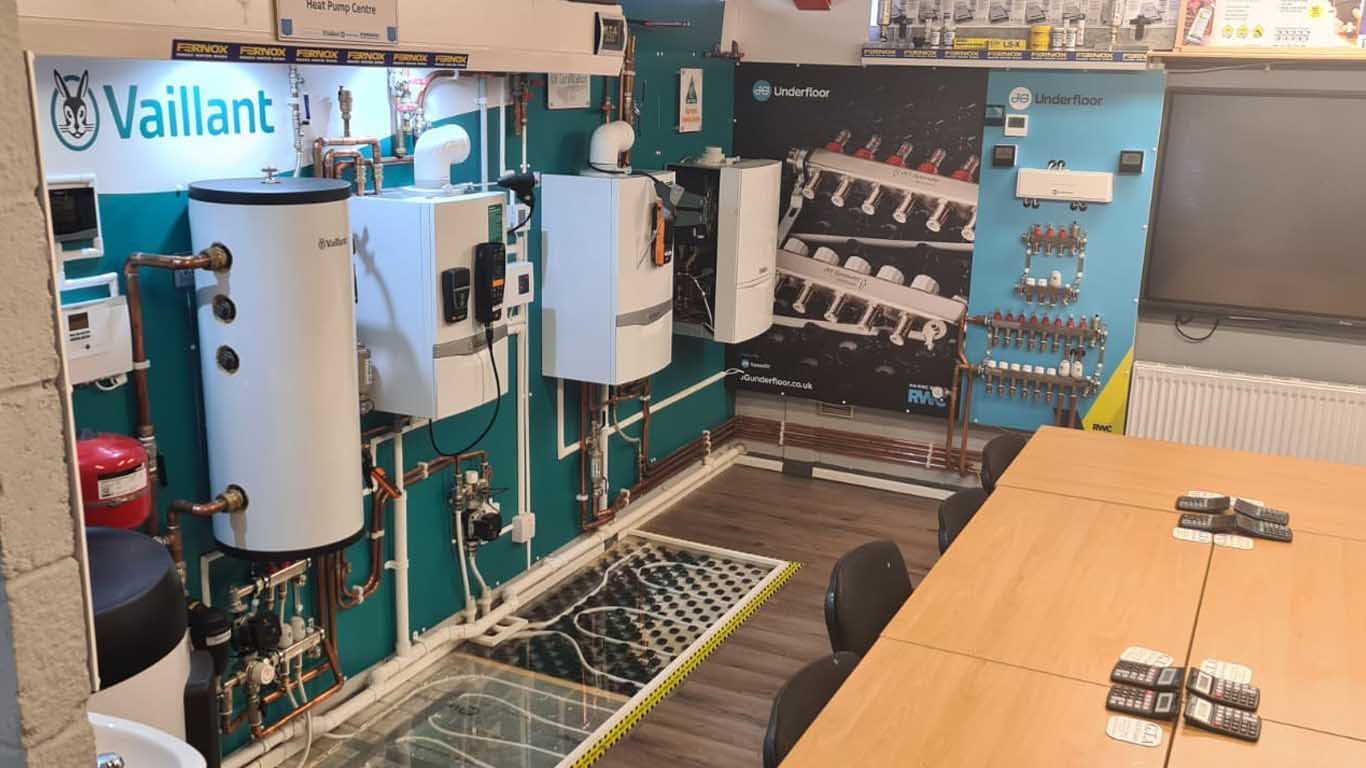
ACS assessments and related training vary in length depending on the module, whether it is an initial assessment or reassessment, and how much preparation you need.
If you are already working, planning ahead is important.
You may want to book during quieter periods, group assessments together, or spread training across the year to protect cash flow.
You can view our course timetables to see upcoming dates and plan around your workload.
Some engineers prefer intensive training because it gets everything done in one block. Others prefer to take one step at a time.
There is no single right answer.
The right schedule is the one that gives you enough time to prepare properly without putting unnecessary pressure on your work or finances.
Local Market Demand
Your location should influence your training decisions.
Gas engineering demand is not identical everywhere.
Urban areas may offer more commercial opportunities. Rural areas may create more LPG demand. Coastal or holiday areas may have more caravan and leisure accommodation work. Areas with older housing stock may produce different heating and upgrade needs from newer developments.
So before choosing a qualification, look at your local market.
What are people asking for? What are other engineers offering? Where are the gaps? Which services are hard for customers to find?
This is not glamorous work, but it is sensible.
The qualification that makes sense for an engineer in one area may not be the best choice for another engineer somewhere else.
Combining ACS with Complementary Qualifications
ACS qualifications are central for gas work, but they are not the whole picture.
Many heating jobs involve plumbing, electrics, controls, water systems, regulations, energy efficiency, and renewables.
That is why complementary training can be valuable.
Our plumbing, heating, and renewable energy courses are designed to support engineers who want to broaden their skills beyond core gas work.
The more complete your understanding, the more confident you become when dealing with real customer problems.
A boiler fault, for example, is not always just a gas issue. It may involve controls, wiring, water flow, system design, or poor installation practice.
Better knowledge leads to better diagnosis.
Better diagnosis leads to better service.
Plumbing and Heating Qualifications
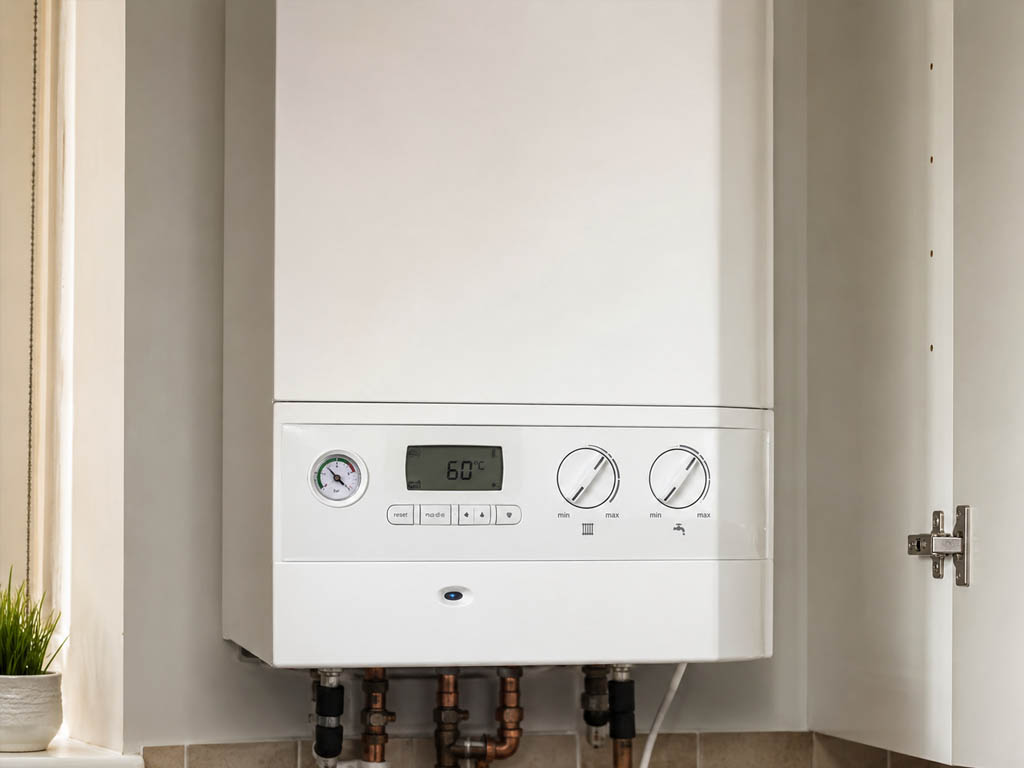
Plumbing and heating knowledge is a strong addition for many gas engineers.
A customer rarely thinks in neat qualification categories. They just want their heating and hot water to work properly.
If you can understand the full system, you are better placed to identify issues, explain options, and carry out work to a high standard.
Unvented hot water, water regulations, underfloor heating, heating controls, and renewable heating can all support a stronger service offering.
You do not need every course at once.
But if you want to become a more rounded heating engineer, this is an area worth planning into your development.
Electrical Training for Gas Engineers
Modern heating work often involves electrical components.
Boilers, controls, programmers, stats, pumps, valves, and fault finding all require a level of electrical understanding.
You may not be trying to become an electrician. But as a gas or heating engineer, improving your electrical knowledge can make you more confident and more effective.
Our electric training courses are delivered in the same small, friendly, practical style as our gas training.
For many engineers, this type of training is not about adding another service overnight. It is about becoming safer, sharper, and better at diagnosing real faults.
Specialist Training That Strengthens Your ACS Portfolio
Some additional courses can strengthen your professional credibility and help with commercial or compliance-focused work.
For example, legionella awareness training can be useful for engineers working with water systems, landlords, commercial clients, or duty holders.
Water regulations certification can also support engineers who want to show they understand the rules around safe water supply and installation practice.
These courses may not be ACS assessments, but they can still add value to your overall skillset.
They show customers and commercial clients that you take professional standards seriously.
How Often Do ACS Assessments Need Renewing?
ACS qualifications normally need renewing every five years.
That five-year cycle matters because you must keep your certification current if you want to continue working legally within your qualified scope.
You can read more about ACS qualification duration and renewal requirements.
It is sensible to plan your renewal early rather than leaving it until the last minute.
If your certification expires, it can disrupt your work, create unnecessary stress, and potentially stop you from legally carrying out jobs you rely on.
Experienced engineers often book refresher training before reassessment to make sure they are up to date with current standards and ready to pass.
That is not weakness.
That is professionalism.
Common Mistakes When Choosing ACS Assessments
There are a few mistakes we see engineers make when planning assessments.
The first is trying to do too much at once.
The second is choosing qualifications without checking demand.
The third is treating assessment as a tick-box exercise rather than part of ongoing professional development.
All three can cost you time and money.
Mistake 1: Taking Too Many Qualifications at Once
It is tempting to load up on qualifications.
On paper, it feels productive.
In reality, it can leave you stretched, underprepared, and lacking proper confidence in each area.
A certificate should represent real competence, not just a completed assessment.
If you add too many modules too quickly, you may pass but still feel unsure when the real work starts.
A phased route is usually better.
Add the qualifications you need most. Use them. Gain experience. Then add the next logical step.
That approach builds genuine confidence.
Mistake 2: Ignoring Market Demand
This is the big one.
A qualification is only useful if it connects to work.
Before investing in a new module, look for evidence that customers actually need that service.
Have you been asked for it? Are local employers requesting it?
Are property managers struggling to find someone?
Are there enough businesses or homes in your area that require that type of work?
If the answer is no, pause.
Do not spend money just because a course sounds impressive.
That is how training budgets get wasted.
Mistake 3: Neglecting Ongoing Development
The gas and heating industries do not stand still.
Products change. Standards change. Customer expectations change. Technologies change.
If you only do the minimum every five years, you risk falling behind.
Staying current does not mean constantly booking courses for the sake of it. It means keeping your knowledge sharp and choosing development that genuinely improves your work.
Our latest course dates and updates are available through the course timetables.
Getting Expert Guidance on Your ACS Pathway
You do not have to work all this out on your own.
At Gas Training & Assessment in Basildon, we work with new entrants, experienced engineers, and those returning for renewal or reassessment.
Our training is practical, friendly, and built around smaller groups, so candidates can get proper support rather than feeling lost in a large classroom.
Our trainers and assessors have real industry experience. They understand the balance between theory, assessment, and what actually happens on the tools.
If you are unsure which ACS route is right for you, speak to us before booking.
We can talk through your current experience, your goals, and the type of work you want to move into.
You can contact our professional training team for advice on the best next step.
Why Train with Gas Training & Assessment?
Gas Training & Assessment has been supporting gas engineers from our Basildon training centre for over 25 years.
We are known for our relaxed, friendly training environment, smaller groups, experienced trainers, and hands-on approach.
We understand that candidates arrive with different levels of confidence and experience. Some are brand new. Some are renewing. Some are expanding into new areas. Some are returning after time away.
Our job is to help you understand the route, prepare properly, and leave feeling more confident in your skills.
Because the real aim is not just to get through assessment day.
The real aim is to help you work safely, competently, and professionally in the real world.
Frequently Asked Questions
What is the minimum ACS qualification needed to work as a domestic gas engineer?
For domestic gas work, you need the relevant core domestic qualification and the appliance-specific qualification for the work you want to carry out.
CCN1 provides the core domestic gas safety foundation, but it does not qualify you to work on every appliance by itself.
For example, if you want to work on domestic boilers, you need the relevant boiler or water heater appliance assessment alongside the core element.
Can I take multiple ACS assessments together?
Yes, in many cases engineers take multiple assessments during one visit, especially when renewing qualifications.
However, it depends on your experience, the modules involved, and how well prepared you are.
Trying to take on too much at once can make assessment more stressful than it needs to be. If you are unsure, speak to the training centre before booking so you can plan a sensible route.
How do I know which ACS modules will give me the best return?
Start with the work you are most likely to use.
Look at jobs you currently turn away, customer enquiries you regularly receive, and the type of work available in your area.
A qualification that helps you win regular work will usually produce a better return than a niche module with uncertain demand.
Do I need to renew all my ACS assessments?
You need to renew the qualifications you want to keep active.
If a module is important to your work, do not let it lapse. If you no longer use a qualification and do not plan to offer that work, you may decide not to renew it.
The key is to plan ahead so your core qualifications and appliance modules remain current where needed.
What is the difference between initial ACS and renewal ACS?
Initial ACS assessment is for candidates proving competence in that area for the first time.
Renewal assessment is for engineers who already hold the qualification and need to demonstrate they remain competent and up to date.
Renewal is usually more familiar for experienced engineers, but it still needs proper preparation. It is not automatic.
Can I work on gas appliances while studying?
No. You must not carry out gas work unless you are properly qualified and registered for the work being undertaken.
New entrants may gain experience under appropriate supervision as part of their training route, but they cannot legally work independently on gas appliances before achieving the required qualifications and registration.
How long does ACS assessment take?
The time required depends on the module, the number of assessments, and whether it is initial assessment or renewal.
Some assessments may take a day. Others may take longer, especially where multiple modules are involved.
The best approach is to speak to the training centre, explain your current qualifications and goals, and get guidance on the right schedule.
Are some ACS modules prerequisites for others?
Yes. Core qualifications normally sit underneath the appliance or specialist modules.
For domestic work, CCN1 is the core foundation. For commercial work, there are relevant commercial core requirements.
You must take assessments in the correct order, so always check prerequisites before booking.