7 Essential Skills Every New Gas Engineer Should Build in Their First Year
Turning your knowledge into practical skills
Qualifying as a gas engineer is a major achievement, but it is only the beginning of your development.
During your first year, you will turn the knowledge gained during training into practical skills you can use confidently in customers’ homes.
You will encounter unfamiliar appliances, unexpected faults and jobs that do not always go according to plan.
Nobody expects a newly qualified engineer to know everything.
What matters is working safely, recognising the limits of your competence and continuing to learn from every job.
Here are seven areas worth focusing on during your first year.
1. Making Safety Your First Priority
Good gas engineers do not take shortcuts with safety.
Safe isolation, gas tightness testing, leak detection and the correct use of testing equipment should become part of your normal routine.
These procedures must be completed carefully, even when the job appears straightforward or you are under pressure to finish.
You should also be confident in identifying potentially unsafe appliances, flues, ventilation and gas installations.
When something is outside your competence or qualification, stop and seek advice rather than attempting to work it out as you go.
Knowing when not to continue is an important professional skill.
You must also understand the categories of gas work covered by your Gas Safe registration.
Being registered does not automatically allow you to work on every type of appliance or installation.
2. Understanding the Technical Fundamentals
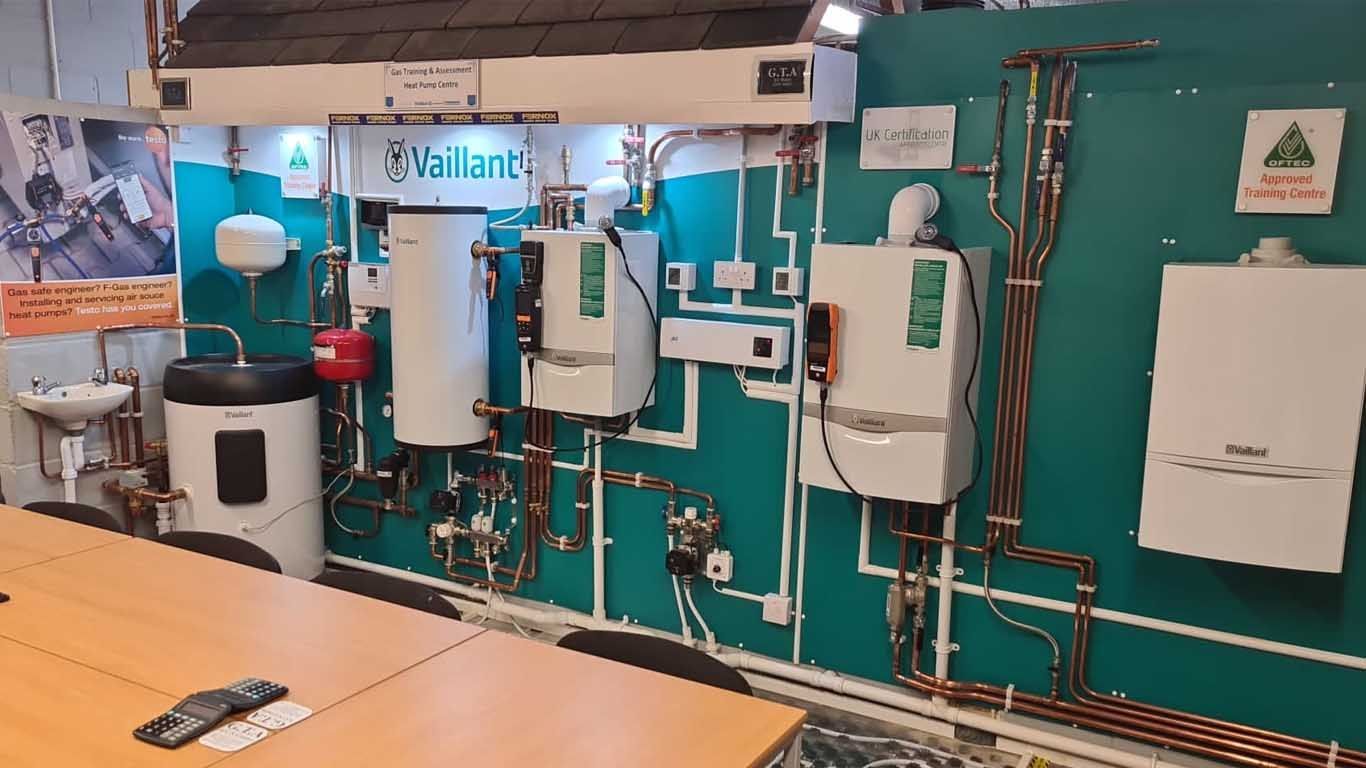
Fault finding becomes much easier when you understand how a gas appliance and heating system should operate.
During your first year, continue developing your knowledge of:
- Gas pressures and flow
- Combustion
- Flue systems
- Ventilation
- Boiler controls
- Heating and hot water circuits
- Gas rates and appliance performance
- Commissioning procedures
These are not simply subjects needed to pass an assessment. They help you understand why an appliance is behaving in a particular way.
A sound technical foundation also reduces the temptation to replace parts without properly diagnosing the fault.
For people entering the industry, a structured course such as the IGQ new entrants course can provide the knowledge and practical experience needed to begin building these skills correctly.
3. Developing a Systematic Approach to Fault Finding
Experienced engineers often make diagnosing faults look easy.
In reality, their speed usually comes from years of following a logical process and recognising familiar patterns.
As a new engineer, avoid jumping straight to the most expensive or complicated explanation. Start with the basics:
- Listen carefully to the customer.
- Confirm the reported symptoms.
- Check the appliance history.
- Carry out the appropriate safety checks.
- Test the most likely causes in a logical order.
- Record your findings.
Guessing and changing parts until the appliance works is not proper fault finding. It wastes time, increases costs and can create further problems.
Keep notes on the faults you encounter, including the symptoms, tests carried out and final solution.
Over time, you will build your own useful reference library.
Practical training, such as a boiler fault finding course, can help you develop a more structured diagnostic approach.
4. Communicating Clearly with Customers
Technical ability is essential, but customers will also judge you by how you communicate and behave in their home.
Good customer service does not require complicated sales techniques. It means:
- Arriving when agreed
- Introducing yourself clearly
- Listening to the customer’s concerns
- Explaining the work in plain English
- Treating the property with respect
- Keeping the customer informed
- Leaving the work area tidy
Avoid promising an exact price or completion time before you properly understand the job.
Where there is uncertainty, explain it at the beginning.
Customers are generally understanding when complications are communicated clearly.
Problems arise when additional costs or delays are left until the end of the job.
You should also be comfortable explaining when an appliance is unsafe or when work cannot continue.
Remain calm, explain your findings and provide clear guidance on what needs to happen next.
5. Keeping Accurate Records
Paperwork is part of professional gas work, not an optional extra.
Record what you inspected, what tests you completed, what work was carried out and what advice you gave the customer.
Complete certificates and other documentation accurately, rather than relying on memory later.
Good records can:
- Protect you if a dispute arises
- Help with future servicing or repairs
- Provide useful information for another engineer
- Demonstrate that the correct procedures were followed
- Help you maintain a professional relationship with customers
Developing good record-keeping habits from your first job will save considerable time and trouble late in your career.

6. Managing Your Time Without Rushing
New engineers often underestimate how long jobs will take. This can lead to rushed work, late arrivals and unnecessary stress.
Plan realistically and allow time for travel, parking, testing, paperwork and unexpected complications.
Before each working day, check that you have the tools, equipment and likely parts required for the jobs ahead.
Do not pack too many appointments into one day simply to increase your earnings. Rushed work can result in mistakes, callbacks and dissatisfied customers.
It is better to complete fewer jobs properly than to spend the following week returning to work that was hurried.
When delays happen, contact the next customer and let them know. A brief update is far better than leaving someone waiting without an explanation.
7. Continuing to Learn
Passing your initial qualifications does not mean your training is finished.
Gas appliances, controls, regulations and heating technologies continue to change. Good engineers regularly refresh their knowledge and seek additional practical experience.
During your first year:
- Ask experienced engineers questions
- Read manufacturers’ instructions
- Attend relevant training
- Review technical guidance
- Learn from mistakes and unfamiliar jobs
- Keep up with changes affecting the industry
Working alongside an experienced engineer can be particularly valuable.
Pay attention not only to what they do, but also to the order in which they carry out checks and how they communicate with customers.
You may also choose to broaden your skills into areas such as unvented hot water systems, advanced fault finding or air source heat pumps.

Heat pump knowledge can complement the plumbing, heating, controls and commissioning skills used in traditional heating work.
GTA offers practical air source heat pump training courses, including funded options for eligible learners.
Confidence Comes Through Experience
It is normal to feel uncertain during your first year. Confidence does not arrive immediately after receiving a qualification.
It develops through training, supervised experience and repeatedly carrying out work correctly.
Do not compare your first few months with an engineer who has been working for twenty years. Concentrate on being safe, methodical and willing to learn.
The strongest engineers are not the ones who pretend to know everything.
They are the ones who recognise when they need more information and take the time to get the job right.
Frequently Asked Questions
How long does it take to feel confident as a gas engineer?
There is no fixed timescale. It depends on the amount and variety of work you complete, the support available to you and your willingness to keep learning. Confidence should develop alongside competence, rather than replacing it.
What should I do when a job is beyond my experience?
Stop and seek guidance from an experienced engineer, manufacturer or appropriate technical resource. Never continue with work you are not qualified or competent to complete safely.
Should I specialise during my first year?
Most new engineers benefit from building broad experience in servicing, installation, safety checks and fault finding before specialising. A wider foundation will help you decide which areas you would like to develop later.
What additional training is useful for a new gas engineer?
Boiler fault finding, unvented hot water and air source heat pump training can all add useful skills. The right choice will depend on the type of work you intend to carry out.
Start Your Gas Engineering Career with GTA
Gas Training & Assessment provides practical gas and heating training from our dedicated training centre in Basildon.
With experienced trainers, smaller classes and plenty of hands-on learning, we provide a supportive environment in which you can build genuine competence and confidence.
Explore our gas engineering courses or contact the GTA team to discuss the most suitable route for your experience and career plans.