IGEM/UP/1B Edition 4: What Engineers Need to Know
You've probably heard about IGEM/UP/1B Edition 4 by now
If you work in the gas industry, you have probably heard about IGEM/UP/1B Edition 4 by now.
From 1st October 2026, this update officially comes into effect, and it is going to change the way engineers carry out tightness testing and purging on gas installations.
There has been a lot of noise around this change for the past year or so, and honestly, a lot of that noise has been misinformation.
So let us break it all down clearly so you know exactly what is changing and why it matters.
What Is IGEM/UP/1B Edition 4?
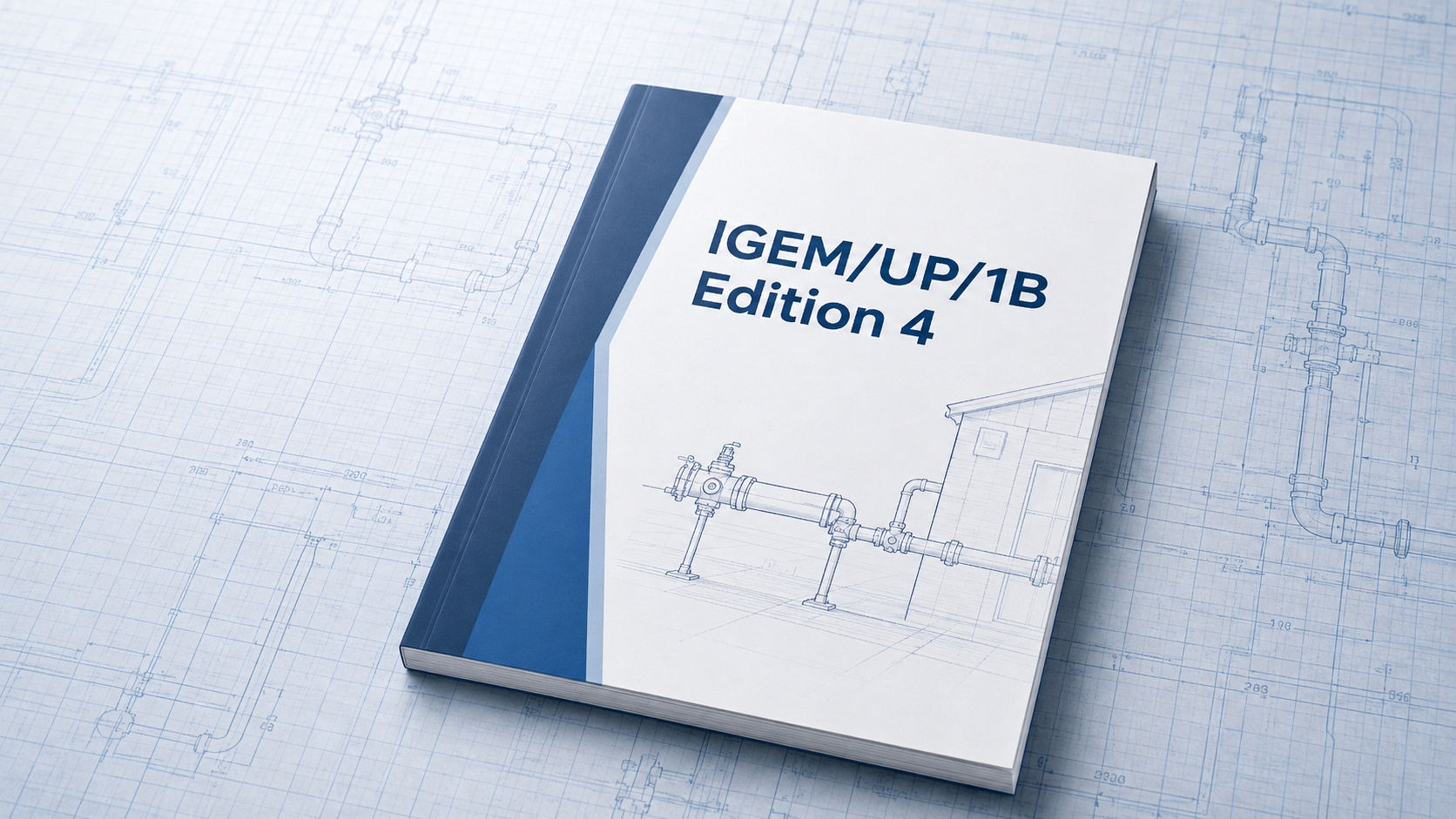
IGEM/UP/1B Edition 4 is the updated industry standard for tightness testing and direct purging of small gas installations.
It covers LPG/Air, Natural Gas, and Liquefied Petroleum Gas (LPG) systems. The standard is published by the Institution of Gas Engineers and Managers (IGEM) and sets out the procedures that engineers must follow when carrying out this type of work.
The previous edition has been in use for a number of years, and this update brings with it some important changes to the procedures and requirements that engineers need to follow.
The full title of the standard is: Tightness Testing and Direct Purging of Small Liquefied Petroleum Gas/Air, Natural Gas and Liquefied Petroleum Gas Installations.
Why Is This Update Coming In?
The gas industry does not change its standards without good reason.
IGEM/UP/1B Edition 4 has been developed to reflect better working practices, improve safety standards, and bring procedures more in line with how modern gas installations are actually built and serviced.
The update has been in development for well over a year and has gone through several rounds of changes before arriving at its final form.
The aim is to make tightness testing and purging safer, clearer, and more consistent across the industry.
For engineers who follow the standard closely, these changes should ultimately make their job more straightforward, even if the transition period feels a little unsettling right now.
What Is Actually Changing?
This is where a lot of the confusion has come from.
There has been quite a bit of back-and-forth over the course of the standard's development, with different versions circulating and creating uncertainty.
Here is what engineers need to focus on.
The changes primarily affect how tightness testing is carried out, including the pressures used, the timings involved, and the specific procedures required for different types of installations.
Purging procedures are also updated, with clearer guidance on how direct purging should be carried out safely on small installations covering Natural Gas and LPG systems.
For engineers who have been working to the old standard, some of the new requirements will feel familiar, but there are enough differences to mean that you cannot simply carry on as you were. Getting properly up to speed before 1st October 2026 is essential.
What Types of Installations Does It Cover?
IGEM/UP/1B Edition 4 applies to small installations using the following fuel types:
- Natural Gas
- Liquefied Petroleum Gas (LPG)
- LPG/Air mixtures
If you regularly work on any of these systems, this update applies directly to your work.
Should Engineers Be Worried?
The short answer is no, but you do need to be prepared.
A lot of engineers are understandably anxious about this change, particularly those who have been in the industry for a long time and are used to working a certain way.
The key thing to understand is that this is not a complete overhaul of everything you know.
It is an update to existing procedures, and with the right training and support, it is very manageable.
What you want to avoid is going into October 2026 without having updated your knowledge.
Working to an outdated standard is not just a compliance issue. It is a safety issue.
The good news is that there is still time to get yourself ready.
How to Get Ready for IGEM/UP/1B Edition 4
The best way to prepare is to take a dedicated training course that covers the new standard in full.
At Gas Training & Assessment, we offer approved training in a relaxed and friendly environment, with small class sizes so you actually get the attention you need rather than being lost in a room full of people.
Our experienced trainers will walk you through exactly what has changed, what the new requirements mean in practice, and how to apply them correctly on the job.
We have been delivering high-quality gas training to engineers across the industry for over a decade, and our courses are recognised by the major official bodies.
If you are based in or around Essex and are looking for a straightforward way to get up to speed with IGEM/UP/1B Edition 4, getting in touch with our team is a great starting point.
We can talk you through the right course options for your specific situation.
The October 2026 Deadline Is Real
One of the pieces of misinformation going around is that the deadline might shift again.
It has moved before during the development process, which is partly why there has been so much confusion.
But the 1st October 2026 date is now confirmed.
Engineers need to treat it as a firm deadline and plan their training accordingly.
Leaving it until the last minute puts you in a difficult position, both in terms of getting a training spot and in terms of having enough time to absorb the new procedures before you need to apply them at work.

What Happens If You Do Not Update Your Practice?
Working outside the current standard puts you at risk professionally and creates genuine safety concerns for the customers you are working for.
Gas Safe registered engineers are expected to work to the most up-to-date industry standards, and IGEM/UP/1B Edition 4 will be the standard from 1st October 2026 onwards.
Beyond the professional risk, tightness testing and purging done incorrectly can lead to serious incidents.
The whole point of this standard is to make sure work is done safely and correctly every time.
Frequently Asked Questions
When does IGEM/UP/1B Edition 4 come into effect?
IGEM/UP/1B Edition 4 comes into effect on 1st October 2026. This is the confirmed date and engineers should be working to the new standard from that point forward.
What does IGEM/UP/1B Edition 4 cover?
It covers tightness testing and direct purging of small Natural Gas, LPG, and LPG/Air installations. It sets out the procedures engineers must follow when carrying out this type of work.
Do I need training for the new IGEM/UP/1B Edition 4 standard?
Yes. If you carry out tightness testing or purging as part of your work, you need to be familiar with the updated requirements. A specific training course is the most effective way to make sure you understand what has changed and how to apply it correctly.
Has IGEM/UP/1B Edition 4 changed a lot from the previous edition?
There are meaningful changes to testing pressures, timings, and procedures that mean engineers cannot simply continue working to the old standard. The changes have developed over time through multiple revisions, but the final version is now confirmed.
Where can I get training for IGEM/UP/1B Edition 4?
Gas Training & Assessment offers approved gas training courses from our centre in Basildon, Essex. Our courses are delivered by experienced professional trainers in small groups so you get the support you need. Get in touch with our team to find out more about upcoming course dates.
Is the October 2026 deadline going to move again?
No. While the standard went through several rounds of changes during its development, the 1st October 2026 implementation date is now confirmed. Engineers should plan their training around this date without delay.