Gas Safe Registration: What You Need to Know Before Becoming a Gas Engineer
Find out how Gas Safe registration works, what training and ACS assessments you need,
Thinking about becoming a gas engineer?
Gas Safe registration is one of the most important steps you'll take on that journey.
It's the legal requirement that lets you work on gas appliances in the UK, and without it, you simply cannot operate as a gas engineer.
Whether you're just starting out or switching careers, understanding how registration works will save you a lot of time and confusion down the road.
This guide walks you through everything you need to know, from your very first training steps to the moment you get your Gas Safe ID card.
What Is Gas Safe Registration and Why Does It Matter?
Gas Safe registration is the official scheme that replaced CORGI registration back in 2009.
It's managed by the Gas Safe Register, which is appointed by the Health and Safety Executive (HSE) to oversee all gas work in the UK, Isle of Man, and Guernsey.
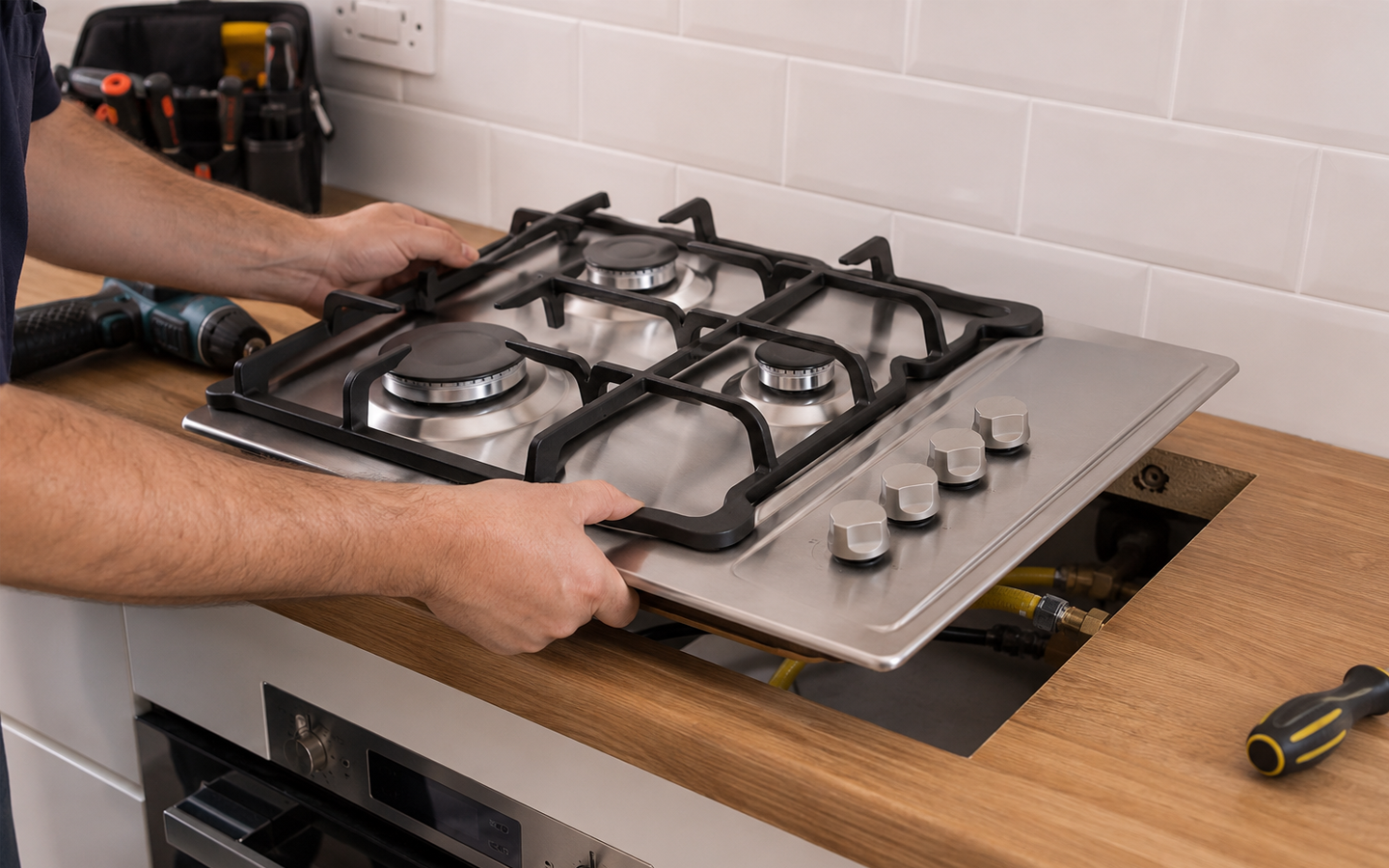
If you want to work legally on gas boilers, cookers, fires, or any other gas appliance, you must be registered.
It's not optional. Working on gas without registration is illegal and puts people's lives at risk.
For homeowners, only hiring a Gas Safe registered engineer is the safest and legally sound choice.
For engineers, registration also carries real professional weight.
It tells customers you've been properly trained, assessed, and approved to carry out gas work safely.
It opens doors to employment, self-employment, and the ability to legally issue Gas Safety certificates.
Where Do You Start? The Path to Becoming a Gas Engineer
The path to Gas Safe registration follows a clear sequence. You don't just sit an exam and walk away with a card.
You need to complete the right training, gain practical experience, and pass formal assessments. Here's how it breaks down.
Step 1: Choose the Right Entry Route
There are two main routes into gas engineering. The first is an apprenticeship, which typically takes three to four years and combines on-the-job learning with formal training.
The second is taking a gas training course directly through an approved training centre like Gas Training & Assessment, which is a faster and more flexible option, especially for career changers or those already working in a related trade.
If you already have experience in plumbing or heating, you'll likely find the learning curve more manageable.
Many experienced plumbers use their existing skills as a strong foundation for gas training.
Step 2: Complete an Accredited Training Programme
Before you can sit your assessments, you need to complete a recognised training programme.
In the UK, this means completing units accredited under the Qualification Credit Framework (QCF), specifically the Level 3 Award in the Safe Control of Gas Installations, or working towards a relevant NVQ or SVQ qualification.
The core units you'll need to cover include:
- Core Domestic Natural Gas Safety (CCN1)
- Domestic Appliances, Central Heating, and Boilers (CEN1, HTR1, CKR1 depending on your specialism)
- Tightness testing and purging of low-pressure gas installations
- Gas emergency procedures
- Combustion analysis and safe isolation
The specific units required will depend on what type of gas work you want to carry out.
A domestic heating engineer will complete different units than someone working on commercial catering equipment, for example.
Step 3: Gain Practical Experience
Training alone is not enough. You need to be able to demonstrate real, hands-on competence.
Most assessment centres and ACS providers will expect you to show that you've worked on gas systems in a supervised environment before sitting your assessments.
This is one reason why many people choose to work alongside an experienced Gas Safe registered engineer or take structured courses that include practical, workshop-based sessions.
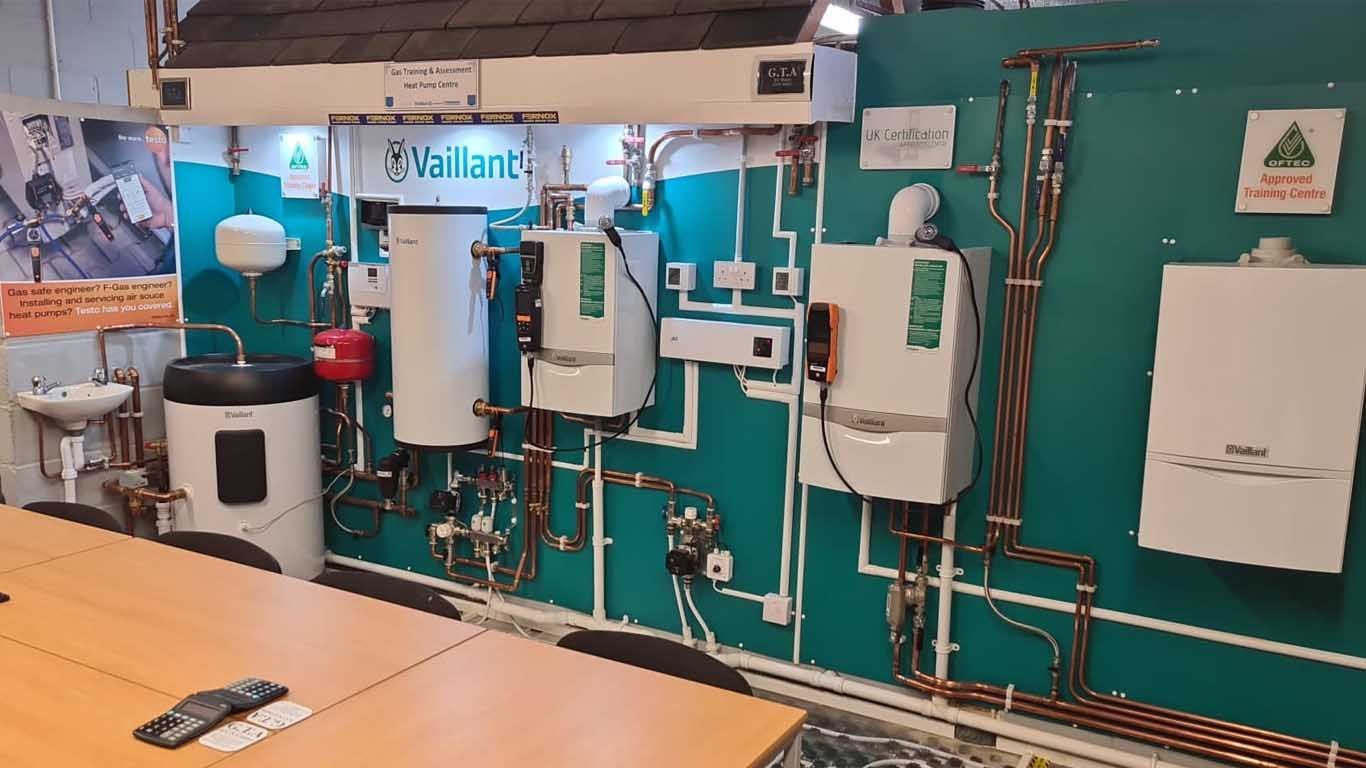
At Gas Training & Assessment, our courses are delivered in a fully equipped training environment with small class sizes, so every student gets proper hands-on time, not just observation.
Step 4: Pass Your ACS Assessments
The Accredited Certification Scheme, known as ACS, is the formal assessment process you must pass to get onto the Gas Safe Register.
These assessments are carried out by approved assessment centres and test both your practical skills and your gas safety knowledge.
ACS assessments are not exams in the traditional sense. They're practical assessments where you demonstrate safe working practices on actual gas appliances and installations.
You'll be assessed on your ability to work safely, identify faults, carry out tightness tests, and follow correct procedures from start to finish.
There are both core and optional units within ACS.
The core unit, CCN1, is mandatory for anyone working on domestic gas systems. You then select additional units based on your intended work, such as:
- CEN1: Domestic central heating and boiler servicing
- HTR1: Gas fires and space heaters
- CKR1: Domestic cookers
- MET1: Meters and regulators
You can sit multiple units during a single assessment visit, which helps keep costs manageable.
Step 5: Apply for Gas Safe Registration
Once you've passed your ACS assessments, you can apply to join the Gas Safe Register.
You'll need to apply through an employer or as a self-employed engineer.
Registration is tied to a business, not just an individual, so you'll need to register either under your own trading name or through the company you work for.
When your registration is approved, you'll receive your Gas Safe ID card.
The card is colour-coded to show which types of gas work you're qualified to carry out.
It's important to carry this card at all times when working, as customers have the legal right to ask to see it.

How Long Does It Take to Become Gas Safe Registered?
The honest answer is that it depends on your starting point and the training route you choose.
If you're completely new to the gas industry, you could complete your training in as little as six months, which is the minimum permitted timeframe.
Alternatively, if you choose to undertake a full apprenticeship, the process could take up to three years.
If you're already an experienced plumber or heating engineer looking to move into gas, your existing skills and qualifications may help you progress through the training process more quickly, depending on your experience and eligibility.
At Gas Training & Assessment, we welcome students at all stages of their careers.
Whether you're starting from scratch, changing careers or looking to refresh or extend your existing qualifications, our experienced trainers provide the guidance and support you need to progress with confidence.
How Much Does Gas Safe Registration Cost?
There are a few separate costs to plan for.
Training course fees will vary depending on the provider and how many units you need to complete. ACS assessment fees are charged per unit.
And then there's the Gas Safe registration fee itself, which is charged annually.
As a rough guide, Gas Safe registration for a sole trader typically costs a few hundred pounds per year, with the exact amount depending on the number of appliance categories you're registered for.
Training and assessment costs on top of that will depend heavily on your chosen route and provider.
Gas Training & Assessment has maintained affordable pricing for over a decade, and our team is always happy to give you a clear breakdown of costs before you commit to anything.
ACS Renewals: Keeping Your Registration Current
Gas Safe registration and ACS certification are not one-time achievements.
ACS certification is valid for five years, after which you must renew by completing reassessment.
Keeping your qualifications current is not just a legal requirement; it also ensures your skills stay sharp as equipment, regulations, and best practices evolve.
Missing your renewal deadline means your Gas Safe registration will lapse, which means you can no longer legally carry out gas work until it's renewed.
Setting a reminder well in advance of your renewal date is a simple way to avoid that situation.
Frequently Asked Questions About Gas Safe Registration
Do I need Gas Safe registration to work on LPG appliances?
Yes. LPG (liquefied petroleum gas) work also falls under the Gas Safe Register. There are specific ACS units for LPG, so you'll need to make sure you're assessed for the correct appliance categories.
Can I start gas work while I'm still training?
No. You must complete your ACS assessments and be registered before you carry out any unsupervised gas work. During your training, any practical work on live gas systems must be supervised by a registered engineer.
What happens if I fail my ACS assessment?
You can resit. Failing an ACS assessment is not the end of the road. Most assessment centres will allow you to book a resit, and many students use the experience to understand where they need more practice before going again.
Is there a difference between Gas Safe registration and a gas qualification?
Yes. Your ACS certificate is your qualification, proving you've been assessed as competent. Gas Safe registration is the scheme that legally authorises you to carry out gas work. You need both.
Can I do my gas training online?
Gas training requires practical, hands-on learning and assessment, so it cannot be completed entirely online. Training takes place in person, allowing students to gain real experience working with gas appliances and equipment under the guidance of qualified instructors. This practical approach is essential for developing the skills, knowledge and confidence needed to work safely and competently in the gas industry.
What's the best way to get started if I have no experience at all?
Speaking to a reputable training centre is the best first step. They can assess your situation and recommend the most practical route based on your background and goals. Gas Training & Assessment offers guidance to prospective students at no cost, so don't hesitate to reach out before making any decisions.
Ready to Start Your Gas Engineering Career?
Gas Safe registration is the foundation of a legitimate and rewarding career as a gas engineer.
The process takes commitment, but it's completely achievable when you follow the right steps, work with experienced trainers, and train in an environment that actually prepares you for the real job.
At Gas Training & Assessment in Basildon, we've helped hundreds of people go from complete beginners to fully qualified, Gas Safe registered engineers.
Our small class sizes, professional trainers, and relaxed learning environment make a real difference, especially if you've been out of formal education for a while.